
Uncategorized
ADHD Medicines Side Effects Explained
Apr
Starting ADHD treatment can feel like progress and uncertainty at the same time. Most adults looking up ADHD medicines’ side effects are not trying to memorise a leaflet – they want to know what might happen, what is normal, and when to get help.
That is the practical question. If a medicine helps you focus but ruins your sleep, suppresses your appetite, or leaves you feeling wired, it is reasonable to ask whether the trade-off is worth it. The answer depends on the medicine, the dose, your body, and how quickly side effects settle.
What ADHD medicines’ side effects are most common?
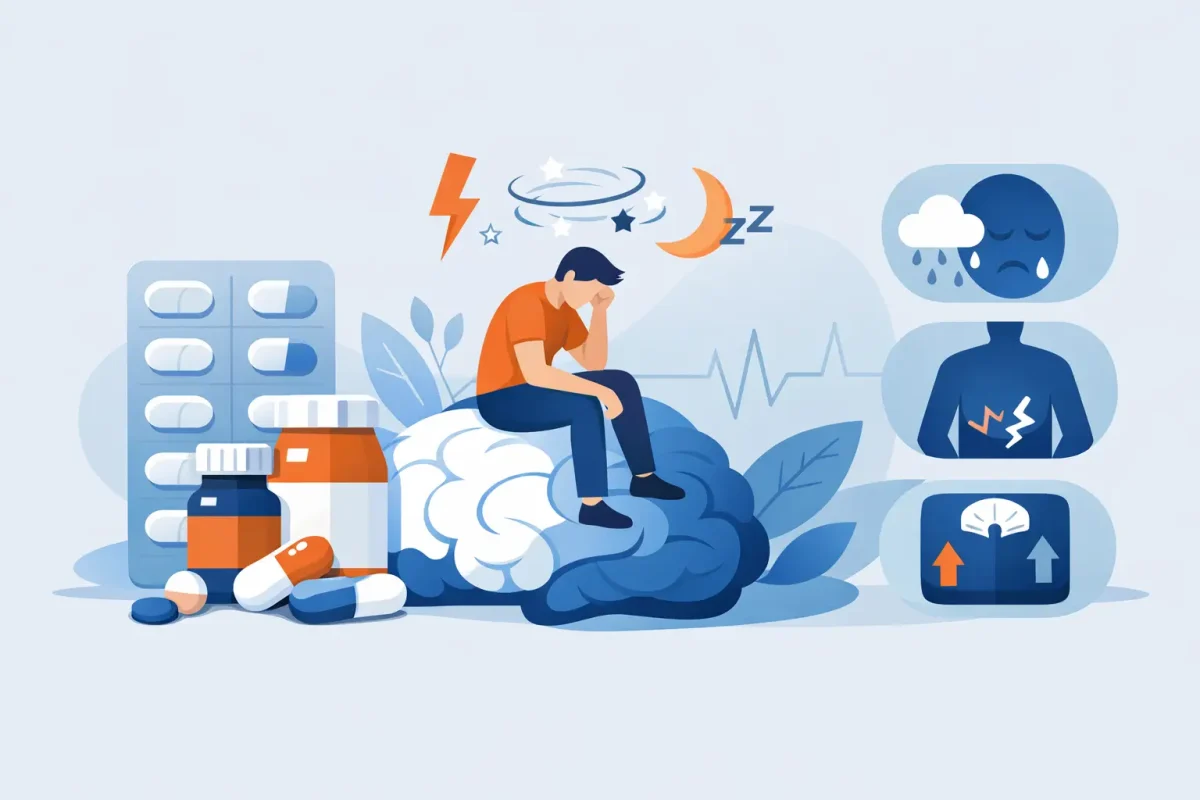
The most common side effects depend on whether you are taking a stimulant or a non-stimulant. In the UK, many adults are prescribed stimulant medicines such as lisdexamfetamine, dexamfetamine, or methylphenidate. These often work well, but they can also cause appetite loss, trouble sleeping, dry mouth, headaches, nausea, and a faster heart rate.
Some people notice these effects within the first few days. Others only feel them when the dose is increased. A mild headache or reduced appetite can sometimes settle as your body adjusts, but poor sleep or a racing heartbeat should not be brushed off if it continues.
Non-stimulant options can have a different pattern. Depending on the medicine, people may feel tired, dizzy, sick, or notice mood changes. For some adults, that makes non-stimulants easier to tolerate. For others, it is the opposite. There is no single version of normal here.
Stimulant ADHD medicines’ side effects in adults
Stimulants are often the first option because they can improve attention, reduce impulsivity, and make day-to-day tasks feel more manageable. The issue is that they also stimulate parts of the body you may not want stimulated.
Loss of appetite is one of the biggest complaints. You may skip lunch without meaning to, then feel drained later in the day. If that continues, weight loss can follow. This matters more than many people expect, especially if you already have a low appetite or a busy routine that makes regular meals difficult.
Sleep problems are also common. If your dose lasts too long into the evening, you may feel alert when you want to wind down. Some adults describe it as feeling switched on but not productive. That can become a cycle – worse sleep, more fatigue, then a stronger sense that the medicine is not working properly.
A raised pulse or increased blood pressure can happen too. Sometimes this is mild. Sometimes it is enough to need a review. If you feel pounding in your chest, unusual shortness of breath, chest pain, or significant dizziness, seek medical advice quickly.
Mood can shift as well. Some adults feel more irritable, more anxious, or emotionally flat on stimulants. Others notice a crash as the medicine wears off. That does not always mean the treatment is wrong, but it may mean the dose, timing, or type of medicine needs adjusting.
Side effects that may settle
Some stimulant side effects ease after the first week or two. Mild nausea, a dry mouth, or a slight headache may improve as your routine settles around the medicine. Taking it exactly as prescribed, eating regularly, and avoiding late dosing can help.
Still, do not assume every side effect will pass on its own. If it is affecting work, sleep, eating, or your mood, it is worth raising.
Non-stimulant ADHD medicines’ side effects
Non-stimulants are sometimes used when stimulants are not suitable, not tolerated, or simply not effective enough. Their side effects can feel less intense for some people, but they are not automatically easier.
Tiredness is a common issue. Instead of feeling sharpened, you may feel slowed down. Dizziness, stomach upset, constipation, and dry mouth can also happen. Some people notice changes in mood, including feeling low, agitated, or emotionally unsettled.
Unlike stimulants, non-stimulants may take longer to show full benefit. That can make the early period frustrating. You might deal with side effects before you are even sure the medicine is helping. For adults balancing work, childcare, or shift patterns, that delay can be difficult.
There can also be liver, heart, or blood pressure considerations with some medicines, depending on your health history. That is why monitoring matters. Fast access is useful, but safe treatment still depends on the right checks.
What side effects should not be ignored?
Some ADHD medicines’ side effects are uncomfortable but expected. Others need prompt medical attention. Severe chest pain, fainting, shortness of breath, hallucinations, severe agitation, suicidal thoughts, seizures, or signs of an allergic reaction are not side effects to watch casually at home.
The same goes for extreme mood changes. If you become unusually aggressive, deeply low, panicked, or detached from reality, get advice urgently. Medicines that affect focus and impulse can also affect mood and behaviour in ways that should be taken seriously.
It is also worth paying attention to side effects that are not dramatic but do not go away. Ongoing insomnia, consistent appetite loss, noticeable weight loss, repeated headaches, and sexual side effects can all affect quality of life. A medicine does not need to cause an emergency to be the wrong fit.
Why side effects vary so much
Two people can take the same ADHD medicine and have very different experiences. One may feel calm and productive. The other may feel tense, sick, and unable to sleep. That does not mean either reaction is unusual.
Body weight, metabolism, other health conditions, caffeine intake, alcohol use, anxiety, and other medicines all play a part. Even the timing of your dose can change the picture. Taking a stimulant too late in the day is very different from taking it early with a consistent routine.
There is also the question of dose. Sometimes the problem is not the medicine itself but too much, too soon. Starting low and increasing carefully often reduces the risk of difficult side effects.
How to manage ADHD medicines’ side effects day to day
The first step is simple – take the medicine exactly as prescribed. Doubling up because you missed a dose or changing the time without advice can make side effects harder to understand.
Food and timing matter more than many adults expect. If your medicine affects appetite, try eating before the dose kicks in and plan proper meals rather than relying on hunger cues. If sleep is an issue, avoid taking stimulant medication later than advised and cut back on late caffeine.
Hydration can help with dry mouth and headaches. A steady routine can help with sleep. Keeping a brief note of appetite, mood, sleep, focus, and any physical symptoms is useful too. It gives you something clearer than memory if your prescriber needs to review the treatment.
What usually does not help is stopping and restarting repeatedly without guidance. That can make side effects feel more chaotic and make it harder to judge whether the medicine is actually working.
When to ask for a medication review
If the medicine improves concentration but the side effects make daily life harder, ask for a review. You do not need to wait for things to become severe. A different dose, a different release type, or a different medicine may give you a better balance.
This is especially true if you notice worsening anxiety, persistent insomnia, significant appetite suppression, or cardiovascular symptoms. Adults often try to push through because they want treatment to work. Fair enough – but forcing yourself to tolerate a poor fit is not the goal.
The right treatment is not simply the strongest effect on focus. It is the option that helps without creating bigger problems elsewhere.
A practical way to think about side effects
Most adults do not need a perfect medicine. They need one that is effective, manageable, and realistic for everyday life. That means looking at the full picture – concentration, work, sleep, appetite, mood, relationships, and physical health.
If you are ordering treatment online, convenience matters, but so does being honest about what you are experiencing. Genuine medicines and a simple ordering process are valuable, yet the safest ADHD treatment still depends on proper use, careful monitoring, and speaking up when something feels off.
A useful rule is this: if a side effect is mild, brief, and improving, it may be part of the adjustment period. If it is intense, persistent, or affecting your health or routine, it deserves attention. The aim is not to put up with treatment. It is to find treatment you can actually live with.
